St Fittick's Church Conservation Works

An integrated plan to build a sustainable, net zero future for the North East of Scotland.
Through our Community & Coast programme, ETZ Ltd is fully committed to supporting communities located in proximity to the Energy Transition Zone by delivering sustainable and long-term investments to enhance local greenspaces and community amenities.
As an early step in this programme of activity, ETZ Ltd worked in partnership with Aberdeen City Council and Historic Environment Scotland to take forward site conservation works on St Fittick’s Church to ensure this site of historical importance can best reflect and serve the heritage of local and wider communities for generations to come. The conservation works were designed to restore the church’s historic character, enhance its appearance and access, and ensure it is protected for future generations to enjoy.
About St Fittick's Church
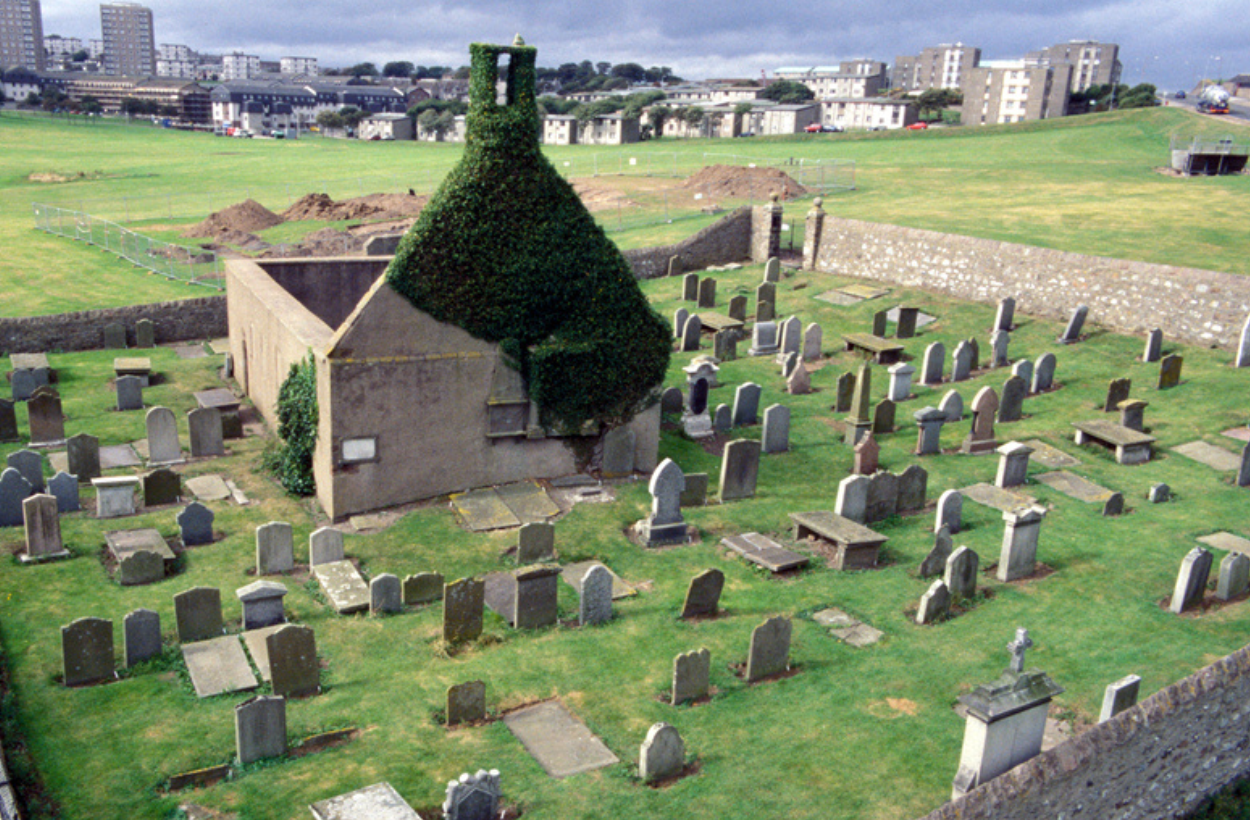
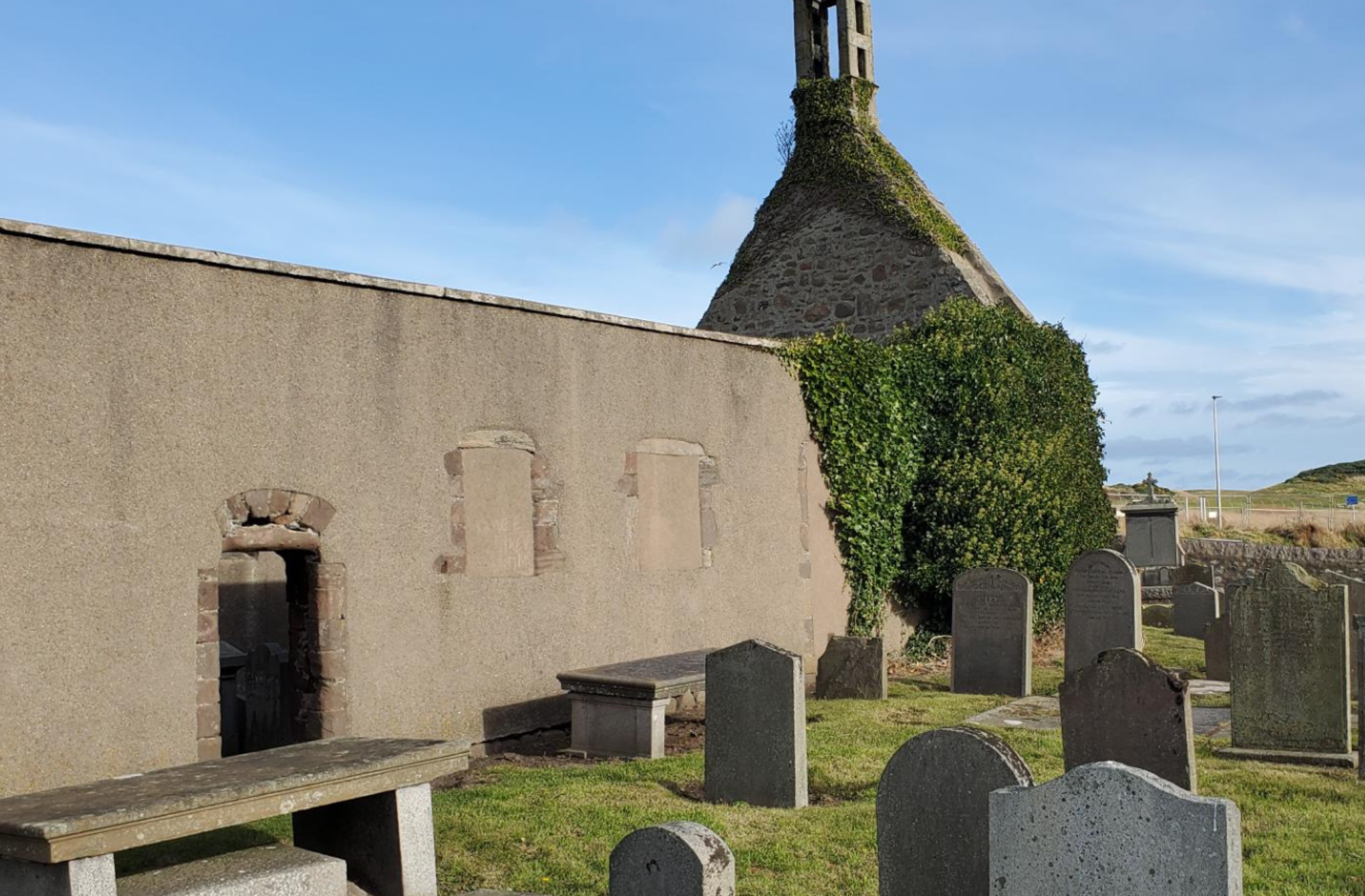
Founded between 1189 and 1199, St Fittick’s Church has stood for more than eight centuries. It was reconstructed in the 18th century and later abandoned in 1829. Today, the structure remains standing, but past repairs—such as modern capping and cement rendering—cover several of its original historic features.
The church sits in a prominent location in St Fittick’s park near to the Balnagask Golf Course, overlooking Aberdeen South Harbour, making it a distinctive landmark for the community and visitors.
The church is owned by Aberdeen City Council. It was scheduled as a monument in 2002 by Historic Environment Scotland who oversee matters affecting all scheduled monuments.

Project Vision
The now completed conservation works will support St Fittick’s Church to be a safe, well‑maintained, and clearly interpreted historic site that reflects its true character and tells the story of the area’s past.
This project:
- Delivered a positive visual transformation by removing modern cement and applying traditional lime harling to restore the church’s original appearance.
- Improved visibility into the structure, helping people better understand its layout and strengthening the sense of connection to the site.
- Introduced new interpretation materials, informed by archaeological research, to help explain the church’s history and significance.
- Used appropriate, breathable lime-based materials that protect the historic stonework, support long-term maintenance, and prevent future damage.
The Conservation Work Included
The works focussed on sensitive, historically informed restoration, including:
- Removing existing cement harling
- Repointing masonry with lime mortar
- Consolidating masonry and repairing the bell tower
- Removing masonry or concrete infill from selected windows and the doorway
- Replacing damaged wall‑head capping and adding turf capping
- Applying new lime harling to both internal and external walls
- Using hand tools only (no rotary tools), to protect the stonework
- Salvaging and reusing original stone wherever possible
- Removing vegetation growing on the masonry
- Installing new interpretation signage
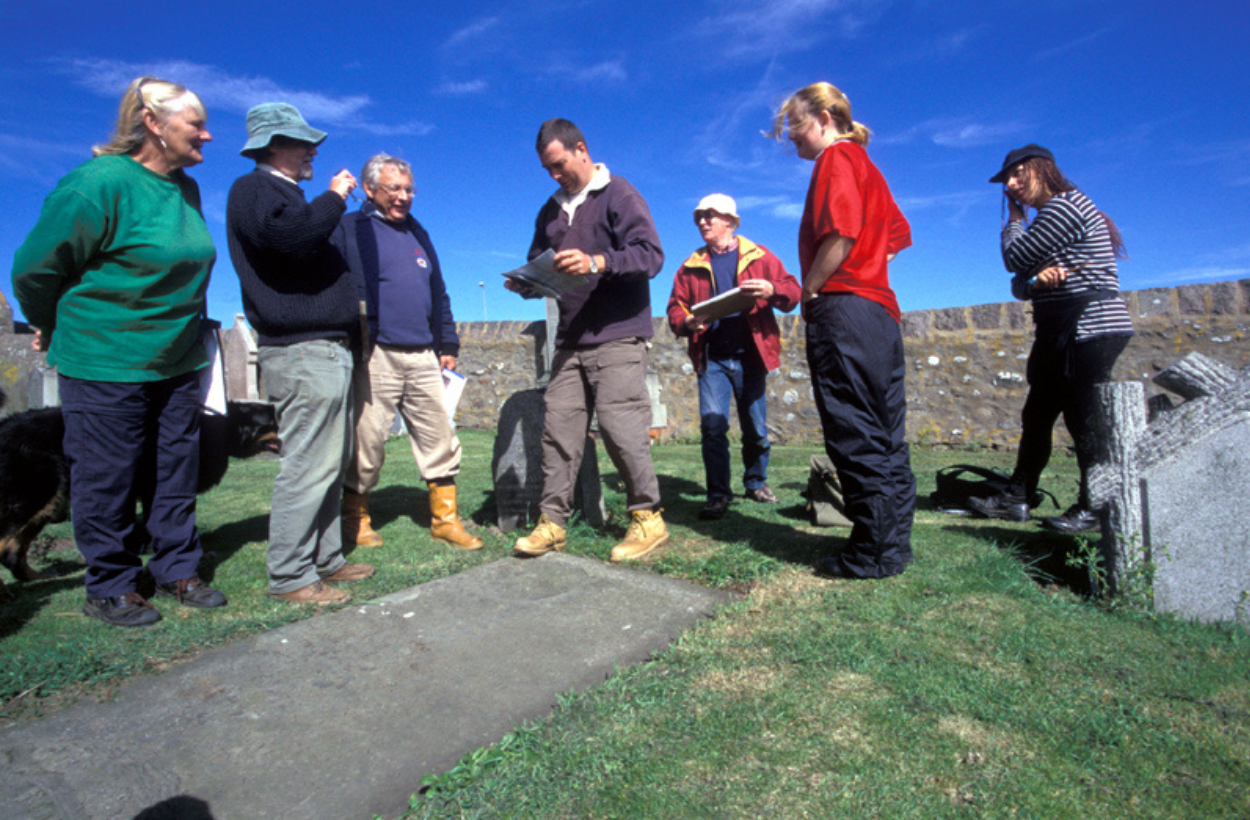
Site investigation works were undertaken in September 2025 by EALA Impacts CIC in collaboration with a local archaeologist and supported by Historic Environment Scotland. They sought to assess the condition of the stonework beneath the harling through a programme of inspection and sampling. Conservation plans have been developed based on investigation outcomes. More information about the investigation works is available below.
A Careful and Responsible Approach
All work is being undertaken in full compliance with the Ancient Monuments and Archaeological Areas Act 1979 and will be carried out under archaeological supervision by Cameron Archaeology.
The project follows Scheduled Monument best‑practice principles, ensuring:
- Minimal intervention
- Protection of cultural significance
- Clear justification for any changes
- Decisions informed by research and established conservation guidance
Restoration plans were approved by Historic Environment Scotland on 2 December 2025, and no adverse impacts on protected species or designated areas are anticipated.
Other project information
The project involves remediating the historic stone walls through careful re‑pointing and re‑harling, delivered by LMT Group Ltd under the guidance of conservation architects EALA Impacts CIC. The estimated duration of the project is approximately 20 weeks.
If you have any questions, please get in touch with the Community & Coast team:
Q&A with Joanne McLelland, Conservation Accredited Architect RIBA RIAS ARB
Joanne is the founder of EALA Impacts CIC, and led the investigation works at St Fittick’s Church that took place in September 2025 under the supervision of Historic Environment Scotland. Furthermore, she is leading the conservation works.
What can local people expect to see/gain from these works? “Part of the works will be to re-open some of the existing windows and doors that were blocked up. Doing so make it easier for people to see into the church as they are walking past. Additional interpretation material will be added as well to tell the story of the place more, following findings from the archaeologist. The ongoing maintenance will be easier due to the work being done with appropriate lime-based materials which will last longer and not damage the underlying stonework like the cement was doing.”
What is the vision being taken forward? “A well-maintained monument, able to tell the story of the place, with existing windows and doors opening to making people feel safe and confident to enjoy it.”
What were the aims of the investigations? “The small opening up works aimed to confirm the condition of the stone behind the cement harling. This was so we could identify the work required to repair the church and inform the broader Scheduled Monument Consent.”
What were the key findings? “The most exciting find was that the some of the lime ‘tec’ coat pointing – the lime mortar closest to the surface – was still intact. This is mortar from masons hundreds of years ago, and it’s always great to find material this old. Alongside this, we found that some of the stone was worse than we expected, and some was better, but across the piece what we had assumed would be needed was about right.”
Why are these conservation works important? “St Fittick’s is a Scheduled Monument and helps to tell the story of the community around it. Sadly, the use of cement in the harling in the 20th century has led to the stone structure deteriorating and if that isn’t attended to, over time, it could be lost completely. This is a great opportunity to help it endure into the future.”
Based on the completed investigation works, a restoration plan for the church was developed, submitted to and approved by Historic Environment Scotland.
The Community & Coast team can be contacted at community@etzltd.com

Subscribe for Updates
Stay up to date with ETZ Ltd's progress in positioning North East Scotland as a low carbon energy hub, and hear first about our projects, initiatives and events.